
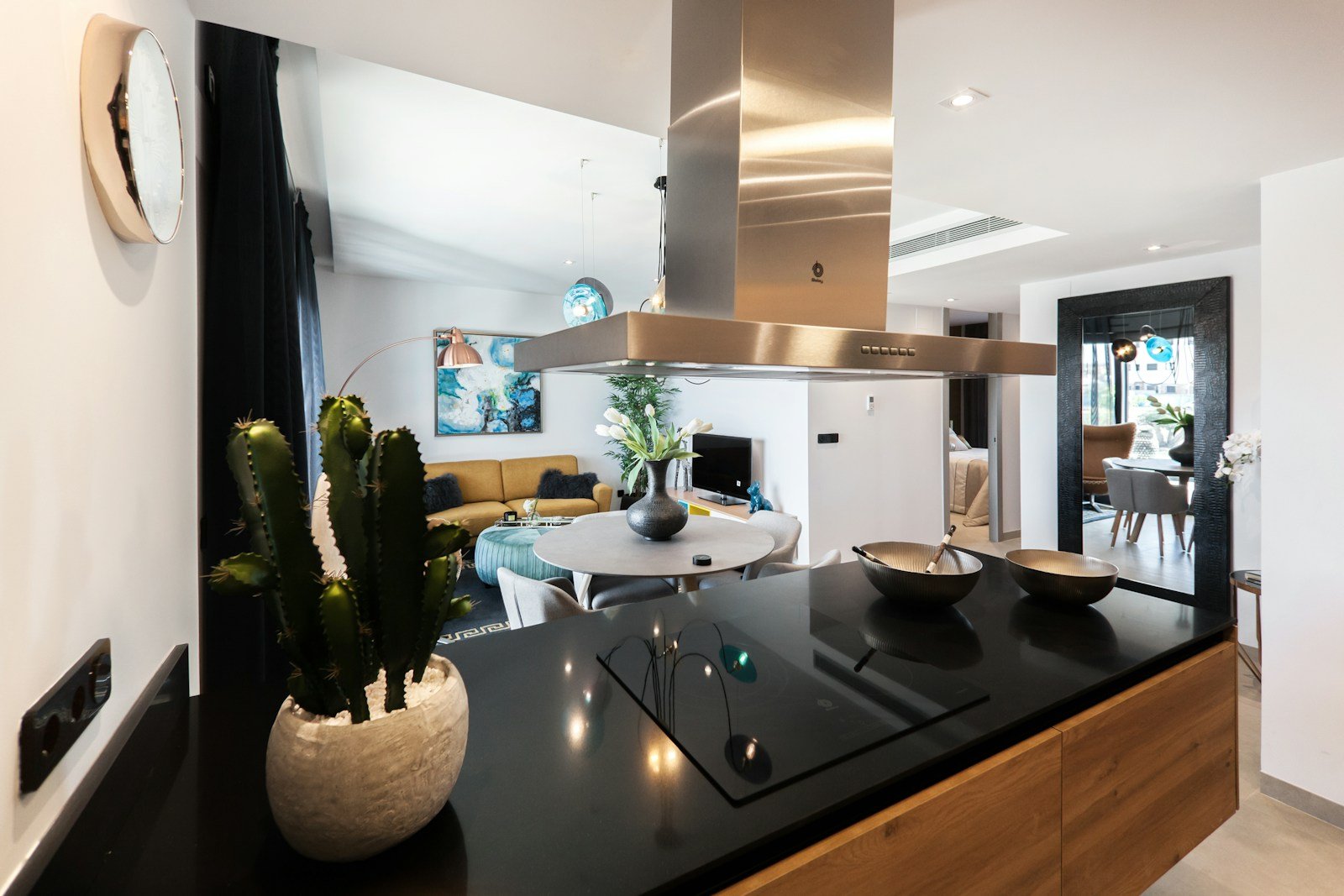
The kitchen has evolved from a purely functional space into a technology-enhanced hub where innovation meets culinary creativity. Smart kitchen gadgets leverage connectivity, artificial intelligence, and automation to transform how we prepare meals, manage groceries, and experience cooking. This comprehensive guide explores the most innovative and practical smart kitchen devices available today, helping you make informed decisions about which technologies deserve a place in your culinary space.
What Are Smart Kitchen Gadgets?
Smart kitchen gadgets represent a category of connected appliances and devices that integrate internet connectivity, sensors, and intelligent software to enhance cooking experiences beyond traditional tools. These devices communicate with smartphones, tablets, or voice assistants, providing remote control, automated functions, and data-driven insights that simplify meal preparation while improving results.
The technology powering smart kitchen gadgets combines multiple innovations working in concert. WiFi and Bluetooth connectivity enable communication between devices and your smartphone, allowing remote monitoring and control from anywhere. Sensors measure temperature, weight, humidity, and other variables with precision that manual methods cannot match. Artificial intelligence analyzes this data, making automatic adjustments or providing guidance that helps users achieve professional-quality results.
Integration with smart home ecosystems represents a key advantage, with many kitchen gadgets connecting to platforms like Amazon Alexa, Google Assistant, or Apple HomeKit. This connectivity enables voice control, automated routines, and coordination between devices. You can ask your voice assistant to preheat your oven, check if your coffee is ready, or add items to your grocery list without interrupting meal preparation.
The value proposition extends beyond novelty to address genuine pain points in modern cooking. Smart gadgets reduce the mental load of meal planning through recipe suggestions based on available ingredients. They eliminate guesswork from techniques like sous vide or bread baking that traditionally required significant experience. Remote monitoring prevents overcooking or burning by alerting you when food requires attention, even when you’re in another room or away from home.
Why Invest in Smart Kitchen Technology?
Time savings emerge as perhaps the most compelling reason busy individuals adopt smart kitchen technology. Connected devices automate tedious tasks like stirring, monitoring temperatures, or timing multiple cooking processes simultaneously. Appliances like smart ovens or multicookers handle entire recipes from start to finish, requiring minimal intervention. These efficiencies reclaim hours weekly that can be redirected toward work, family, or leisure.
Cooking quality improvements result from the precision and consistency that smart devices provide. Traditional cooking relies on subjective judgments about doneness, temperature, or timing that vary based on experience and attention. Smart gadgets eliminate this variability through sensors and algorithms that maintain exact conditions. The result is restaurant-quality meals achievable by home cooks with minimal experience.
Food waste reduction addresses both environmental and financial concerns through better inventory management and preservation. Smart refrigerators track expiration dates and suggest recipes using ingredients before they spoil. Vacuum sealers extend food life significantly, while precise cooking prevents the ruined meals that end up in the trash. Many households reduce grocery expenses by twenty to thirty percent through smart kitchen technology.
Energy efficiency built into many smart appliances reduces utility costs while supporting environmental sustainability. Connected devices optimize energy usage by running only when needed, adjusting power based on cooking requirements, and providing data about consumption patterns. Some smart appliances use significantly less energy than traditional counterparts while delivering superior performance.
Health and nutrition benefits arise from devices that make healthy cooking more convenient than unhealthy alternatives. Air fryers, smart blenders, and precision cookers simplify preparation of nutritious meals that might otherwise feel too time-consuming. Recipe apps integrated with smart devices provide nutritional information and can adapt meals to dietary restrictions automatically.
Smart Cooking Appliances
Smart Ovens
Smart ovens revolutionize baking and roasting through precision temperature control, remote monitoring, and guided cooking programs that deliver consistent results. These appliances feature multiple heating elements that can be controlled independently, cameras that let you monitor food remotely, and integration with recipe databases that automatically configure optimal settings for specific dishes.
The June Oven pioneered camera-based food recognition that identifies what you’re cooking and suggests appropriate temperatures and timing. Built-in thermometers monitor internal food temperature, automatically adjusting heat to achieve perfect doneness. The HD camera streams video to your phone, letting you check progress without opening the oven door and releasing heat. Over 100 pre-programmed recipes eliminate guesswork for common dishes.
WiFi connectivity enables remote preheating, so your oven reaches temperature before you arrive home. Push notifications alert you when preheating completes, when food is ready, or if issues arise. Voice control through Amazon Alexa or Google Assistant allows hands-free operation when your hands are occupied with meal preparation.
Pricing for premium smart ovens ranges from three hundred to six hundred dollars for countertop models, with full-size built-in units costing significantly more. The investment suits serious home cooks who value precision and convenience, particularly those who struggle with traditional baking and roasting techniques. Smart ovens excel at baking bread, roasting meats, and preparing delicate dishes that require precise temperature control.
Smart Instant Pot and Multicookers
The evolution of multicookers into connected devices brings additional convenience to already versatile appliances. Smart versions of the popular Instant Pot and similar devices offer remote monitoring, recipe integration, and voice control while maintaining the pressure cooking, slow cooking, and sautéing functions that made them kitchen staples.
The Instant Pot Smart WiFi connects to your smartphone, allowing you to start cooking remotely, adjust settings, and receive alerts when meals complete. The companion app provides hundreds of recipes with one-touch cooking programs that automatically configure pressure, temperature, and timing. This connectivity proves particularly valuable for slow-cooked meals you can start from work, ensuring dinner is ready when you arrive home.
Voice control integration lets you check cooking status, adjust times, or activate keep-warm functions without touching the device. Built-in safety features include automatic pressure release and sensors that prevent common mistakes like starting a cook cycle with the lid improperly secured. The app tracks your cooking history and suggests recipes based on your preferences and past successes.
Pricing remains relatively accessible, with smart multicookers starting around one hundred fifty dollars—only slightly more than standard versions. This modest premium makes smart multicookers excellent entry points for those exploring connected kitchen technology. They suit busy families, meal preppers, and anyone seeking versatile cooking solutions with enhanced convenience.
Smart Air Fryers
Smart air fryers combine the health benefits and convenience of air frying with connectivity features that simplify cooking and expand recipe possibilities. These devices circulate superheated air to create crispy textures similar to deep frying while using minimal or no oil, making them popular among health-conscious cooks. Smart versions add remote control, recipe libraries, and automated cooking programs.
The COSORI Smart Air Fryer offers app-based control with over one hundred recipes featuring step-by-step instructions and one-touch cooking programs. Voice control through Alexa enables hands-free operation, while the app lets you schedule cooking times so food is ready exactly when needed. Shake reminders alert you when foods like fries need agitation for even cooking.
Dual-zone models allow cooking two different foods simultaneously at different temperatures, solving the challenge of preparing complete meals with varied cooking requirements. These advanced models coordinate timing so everything finishes together, eliminating the juggling act of traditional cooking methods.
Smart air fryers range from ninety to two hundred fifty dollars depending on capacity and features. The technology suits health-conscious individuals, busy families, and anyone seeking to reduce oil consumption without sacrificing texture and flavor. They excel at preparing vegetables, proteins, and snacks with minimal supervision.
Smart Food Preparation Devices
Smart Scales
Smart kitchen scales transform ingredient measurement from approximate to precise while integrating nutritional tracking and recipe guidance. These devices connect to smartphone apps that provide real-time nutritional information, recipe scaling, and portion control assistance. The elimination of measuring cups and spoons streamlines meal preparation while improving accuracy.
The Greater Goods Smart Scale connects via Bluetooth to apps that track nutritional intake, helping users meet dietary goals. Place ingredients on the scale, select them in the app, and instantly see calories, macronutrients, and micronutrients. The scale subtracts container weight automatically and allows sequential measurement of multiple ingredients without removing anything—simply hit tare between additions.
Recipe scaling features adjust ingredient quantities automatically when you want to double a recipe or reduce portions. This functionality prevents the mental math that often leads to errors. Some scales integrate with meal planning apps, transferring measurements directly to your food diary or nutritional tracking system.
Pricing ranges from thirty to one hundred dollars for quality smart scales, making them affordable additions to any kitchen. They particularly benefit fitness enthusiasts tracking macros, individuals managing medical conditions requiring dietary monitoring, and serious bakers who recognize that weight measurements provide greater accuracy than volume measurements.
Smart Blenders
Smart blenders elevate this common appliance through programmed blending cycles, self-cleaning functions, and recipe integration that delivers perfectly smooth results every time. These powerful devices adjust speed, duration, and pattern automatically based on what you’re making, removing the guesswork from achieving ideal textures.
The Vitamix Perfect Blend Smart Scale integrates with a blender base, weighing ingredients as you add them and automatically adjusting blending programs for optimal results. The system recognizes when you’ve added sufficient liquid, warns if proportions are off, and selects appropriate blending intensity. Wireless connectivity provides access to recipes and allows customization of blending programs.
Voice control enables hands-free operation, valuable when handling raw meat or sticky ingredients. Self-cleaning cycles blast water and soap at high speed, cleaning the container thoroughly in thirty to sixty seconds. Timer functions let you set the blender to prepare smoothies at specific times, waking to fresh juice or returning home to prepped ingredients.
Smart blenders range from two hundred to six hundred dollars, with premium models offering more powerful motors and advanced features. They suit health enthusiasts making daily smoothies, families preparing baby food or soups, and anyone frustrated by inconsistent blending results from traditional models.
Precision Cookers (Sous Vide)
Precision cookers bring restaurant-quality sous vide technique to home kitchens through immersion circulators that maintain water at exact temperatures for extended periods. This gentle cooking method produces consistently perfect results impossible to achieve through traditional methods. Smart versions add remote monitoring, recipe integration, and notifications.
The Anova Precision Cooker WiFi connects to your smartphone, allowing you to start, stop, and monitor cooking from anywhere. The companion app offers thousands of recipes with precise time and temperature specifications. Since sous vide cooking often requires multiple hours, remote monitoring lets you start a cook in the morning from work or receive alerts when food is ready while occupied elsewhere in your home.
Temperature accuracy within 0.1 degrees ensures proteins cook to exact doneness every time. Steaks emerge perfectly medium-rare throughout rather than showing the gradients of traditional cooking. Vegetables retain more nutrients and vibrant colors. Meal prep becomes efficient as you can cook large batches to perfect doneness, then quickly sear or reheat before serving.
Precision cookers range from one hundred to two hundred fifty dollars, offering exceptional value given the quality improvement they deliver. They suit food enthusiasts seeking restaurant results, busy professionals who can set up long cooks remotely, and anyone who struggles with consistently cooking proteins to desired doneness.
Smart Food Storage and Management
Smart Refrigerators
Smart refrigerators represent the most comprehensive integration of technology into kitchen appliances, offering features from internal cameras and touchscreen displays to automated grocery ordering and recipe suggestions. These sophisticated appliances serve as command centers for kitchen management, though their high cost means they represent significant investments.
Samsung Family Hub refrigerators feature large touchscreen displays that serve multiple functions. Internal cameras let you check contents remotely while grocery shopping, eliminating guesswork about what you need. The screen displays family calendars, photos, notes, and entertainment while you cook. Voice control through Bixby enables hands-free operation for adding items to shopping lists or searching recipes.
Expiration tracking systems monitor how long items have been stored, alerting you to use ingredients before they spoil. Grocery integration with services like Amazon Fresh or Instacart enables automated reordering of staples directly from the refrigerator interface. Recipe suggestions based on current contents help you use available ingredients creatively.
Smart refrigerators range from two thousand to six thousand dollars or more, representing substantial investments that make sense primarily during kitchen remodels or when replacing failing appliances. They suit tech-enthusiastic families with complex schedules who value centralized information access and automated inventory management.
Smart Food Storage Containers
Smart food storage containers and vacuum sealers extend food life while tracking inventory and providing automated reordering suggestions. These devices address food waste by maintaining optimal storage conditions and alerting you to items requiring attention.
The Ovie Smarterware system uses smart tags attached to containers that track when food was stored and estimate remaining freshness. The tags light up in different colors—green for fresh, yellow for use soon, red for use immediately—providing at-a-glance freshness indicators when you open your refrigerator. The companion app tracks everything stored, suggests recipes using ingredients before they spoil, and provides expiration alerts.
FoodSaver Smart Vacuum Sealers connect to apps that track what you’ve sealed and when, preventing freezer items from becoming forgotten mysteries. Vacuum sealing extends freezer life by months or years while preventing freezer burn. The automated sealing cycles adjust based on food type, ensuring appropriate vacuum levels for delicate items versus dense foods.
Smart containers and sealers range from fifty to three hundred dollars depending on system complexity. They particularly benefit meal preppers, bulk grocery shoppers, and anyone frustrated by repeatedly discovering spoiled food they forgot about.
Smart Herb Gardens
Indoor smart herb gardens enable year-round cultivation of fresh herbs and greens regardless of outdoor climate or available space. These self-contained systems provide optimal light, water, and nutrients automatically, requiring minimal attention while producing continuous harvests.
The AeroGarden systems use hydroponic technology with LED grow lights optimized for plant growth. Smart features include automated watering, growth tracking, and alerts when plants need attention or nutrients require replenishment. The app provides growing tips, harvest recommendations, and troubleshooting guidance.
Herb gardens range from small three-pod units around one hundred dollars to large systems supporting twelve or more plants at three hundred dollars plus. They suit urban dwellers without garden space, cooking enthusiasts who use fresh herbs frequently, and anyone interested in sustainable food production.
Smart Coffee and Beverage Makers
Smart Coffee Makers
Smart coffee makers transform morning routines through scheduled brewing, remote activation, and precise temperature control that extracts optimal flavor from coffee beans. These devices ensure perfect coffee awaits you each morning or can be started remotely as you wake.
The Atomi Smart Coffee Maker connects via WiFi, allowing scheduling through smartphone apps or voice commands through Alexa or Google Assistant. Set your coffee to brew automatically on weekday mornings or start it from bed when you wake. Temperature control ensures water reaches ideal brewing temperature, extracting full flavor without bitterness from overheating.
The Behmor Connected Coffee Maker offers more advanced features including programmable pre-soak times that allow coffee grounds to bloom before full brewing begins, enhancing flavor complexity. Brew strength adjustment and keep-warm duration customization ensure coffee meets your preferences exactly.
Smart coffee makers range from eighty to three hundred dollars, with premium models offering more precise control and better build quality. They suit coffee enthusiasts seeking consistent quality, busy individuals who value time-saving automation, and anyone who wants coffee ready the moment they need it.
Smart Tea Kettles
Smart tea kettles provide precision temperature control essential for properly brewing different tea varieties while adding convenience features like scheduling and remote activation. Traditional kettles simply boil water, but different teas require specific temperatures to extract optimal flavor without bitterness.
The Heatworks Duo smart carafe heats water to precise temperatures selected through a touchscreen interface or smartphone app. The device maintains temperature for up to ninety minutes, eliminating the need to reheat water for subsequent cups. Preset temperatures for white, green, oolong, black, and herbal teas ensure proper brewing.
Voice control through smart home assistants enables hands-free operation, valuable during busy morning routines. Scheduling features ensure hot water is ready when you wake or return home. Some models include infusers and brewing timers that automatically steep tea for appropriate durations.
Smart kettles range from sixty to two hundred dollars, offering excellent value for tea enthusiasts who appreciate properly brewed tea. They also serve coffee pour-over enthusiasts who recognize that water temperature significantly impacts extraction and flavor.
Smart Kitchen Assistants and Displays
Smart Displays for the Kitchen
Dedicated smart displays designed specifically for kitchen use provide hands-free recipe access, video tutorials, and home control while resisting the splashes and heat that characterize cooking environments. These devices serve as command centers for both cooking and smart home management.
The Amazon Echo Show and Google Nest Hub provide voice-controlled recipe access through services like AllRecipes, Food Network, and others. As you cook, you can ask for recipe steps to be repeated, set multiple timers by name, or convert measurements without touching the device. Video calling enables virtual cooking with distant family or friends.
Integration with smart kitchen appliances allows voice control of ovens, coffee makers, and other connected devices. Display grocery lists, family calendars, or entertainment while cooking. Many displays include cameras for video calls, though kitchen-specific models position cameras to avoid unflattering angles while you cook.
Smart displays range from fifty to two hundred fifty dollars depending on screen size and audio quality. They suit any kitchen given their modest cost and versatile functionality, particularly benefiting households already invested in Amazon or Google smart home ecosystems.
Smart Kitchen Gadgets for Specific Tasks
Smart Thermometers
Smart meat thermometers eliminate the guesswork from cooking proteins to perfect doneness through precise temperature monitoring and alerts sent directly to your smartphone. These devices prevent both undercooking that risks foodborne illness and overcooking that ruins expensive cuts of meat.
The MEATER wireless meat thermometer inserts into meat before cooking, monitoring internal temperature and ambient temperature simultaneously. The dual sensors estimate cooking time remaining and alert you when meat needs removal from heat, accounting for carryover cooking. The completely wireless design means no wires running from your oven or grill to an external display.
Multiple probe monitoring systems like the Inkbird allow simultaneous tracking of several pieces of meat or different areas of large roasts. Set different target temperatures for each probe, receiving individual alerts as each reaches doneness. This functionality proves invaluable when grilling various items simultaneously or ensuring large turkeys cook evenly.
Smart thermometers range from forty to one hundred fifty dollars, offering exceptional value given how significantly they improve cooking results. They suit anyone who cooks meat regularly, particularly those who grill or smoke meats requiring extended monitoring.
Smart Slow Cookers
Smart slow cookers modernize this set-and-forget cooking method through remote monitoring, temperature adjustments, and automated transitions to warm settings. While traditional slow cookers work well, smart versions provide additional flexibility and prevent common issues like overcooking when schedules run late.
The Crock-Pot Smart Slow Cooker connects via app, allowing you to adjust temperature or cooking time from anywhere. If you’re running late, reduce temperature to prevent overcooking. If you’re early, switch to warm mode so food doesn’t continue cooking. The app provides recipe suggestions and saves your favorite programs for easy reuse.
Some models include built-in stirrers that prevent burning or sticking during long cooking sessions, addressing a common slow cooker limitation. Programmable cooking profiles can start at high heat then automatically reduce to low, optimizing cooking for specific recipes.
Smart slow cookers range from sixty to one hundred fifty dollars, only moderately more expensive than traditional models. They suit busy families who rely on slow cookers frequently and appreciate the flexibility to adjust cooking remotely when plans change.
Integration and Ecosystem Considerations
Platform compatibility determines how well your smart kitchen gadgets work together and with broader smart home systems. The three major ecosystems—Amazon Alexa, Google Assistant, and Apple HomeKit—each offer advantages and limitations. Before purchasing multiple devices, consider which platform best serves your needs and prioritize gadgets compatible with that ecosystem.
Voice control capabilities vary significantly between devices and platforms. Some gadgets offer comprehensive voice control of all functions, while others support only basic commands. Evaluate which voice commands would genuinely improve your cooking workflow versus which represent novelty features you’ll rarely use. Hands-free control proves most valuable when your hands are occupied with raw ingredients or you’re across the kitchen.
Automation and routines allow coordinated actions across multiple devices triggered by schedules or events. Imagine a morning routine that starts your coffee maker, adjusts kitchen lighting, and displays your calendar automatically at six thirty a.m. Or an evening routine that preheats your oven when you leave work. These automations maximize the value of smart devices beyond individual gadget features.
App consolidation through platforms like Samsung SmartThings, Apple Home, or Google Home reduces the frustration of managing dozens of individual apps for different devices. These platforms provide unified interfaces for controlling all compatible smart home devices including kitchen gadgets. Consider whether gadgets you’re considering integrate with these platforms or require separate apps.
Privacy and Security Considerations
Data collection by smart kitchen devices raises valid privacy concerns that deserve consideration before populating your home with connected gadgets. Many devices collect usage data, sometimes including audio or video from built-in microphones and cameras. Review privacy policies understanding what data is collected, how it’s used, and whether it’s shared with third parties.
Network security becomes crucial as kitchen devices connect to your home WiFi. Poorly secured devices can serve as entry points for hackers to access your broader network. Purchase devices from reputable manufacturers who provide regular security updates. Use strong unique passwords for each device and app, enable two-factor authentication when available, and consider placing smart devices on separate network segments from computers containing sensitive information.
Microphone and camera privacy concerns particularly affect devices like smart displays and refrigerators with built-in cameras. Most devices include physical mute switches or camera covers allowing you to disable these sensors when desired. Be mindful of device placement, ensuring cameras don’t capture sensitive areas and voice assistants can’t overhear private conversations.
Regular firmware updates patch security vulnerabilities and improve device functionality. Enable automatic updates when possible or check periodically for available updates. Devices no longer receiving security updates from manufacturers should be replaced or disconnected from your network to prevent exploitation of known vulnerabilities.
Cost-Benefit Analysis and Budgeting
Initial investment costs for smart kitchen technology can accumulate quickly as you add multiple devices. Prioritize gadgets addressing your most significant pain points or bringing genuine value to your cooking routine. An enthusiastic cook might prioritize a smart oven or precision cooker, while a busy professional might value automated coffee makers and slow cookers more highly.
Ongoing costs include subscriptions for some services, replacement parts, and electricity for constantly connected devices. While individual costs often remain modest, they accumulate across multiple devices. Factor these expenses into your budget when evaluating whether smart gadgets represent good value for your situation.
Time savings represent perhaps the most significant but hardest to quantify benefit. If smart devices reclaim several hours weekly through automation and efficiency, that time can be redirected toward income-generating activities, family, or leisure. For busy professionals, time savings alone often justify the investment in smart kitchen technology.
Food waste reduction and energy efficiency can offset device costs over time. Families reducing food waste by twenty to thirty percent through better inventory management might save fifty to one hundred dollars monthly, quickly recovering the cost of smart storage solutions or refrigerators. Energy-efficient devices reduce utility bills, though these savings typically accumulate more gradually.
Quality of life improvements and cooking enjoyment are subjective but valid considerations. If smart devices make cooking more enjoyable or reduce stress around meal preparation, they provide value beyond pure financial calculations. The reduction in decision fatigue and mental load from automated systems benefits wellbeing in ways that merit consideration.
Choosing the Right Smart Kitchen Gadgets
Cooking habits and patterns should guide your selections, with devices chosen to address how you actually cook rather than aspirational cooking you rarely do. If you primarily reheat takeout and make coffee, investing in an expensive smart oven makes less sense than quality coffee makers and food storage solutions. Be honest about your cooking frequency and style when evaluating purchases.
Kitchen size and layout constraints limit what devices fit practically in your space. Countertop space is precious, particularly in smaller kitchens, so prioritize multifunctional devices or those you’ll use frequently enough to justify permanent counter positions. Consider storage options for devices used occasionally versus those deserving prime real estate.
Technical comfort level determines which devices you’ll actually use effectively versus those that will frustrate you. If you struggle with technology generally, prioritize devices with intuitive interfaces and excellent customer support. Tech-savvy users can handle more complex devices and might even prefer advanced customization options.
Existing ecosystem investment should influence new purchases. If you already use Amazon Echo devices throughout your home, prioritizing Alexa-compatible kitchen gadgets creates seamless integration. If you’re deeply invested in Apple products, HomeKit compatibility provides better user experience than fighting against your existing platform.
Long-term support and manufacturer reputation deserve consideration since kitchen appliances typically last years or decades. Research whether manufacturers provide ongoing software updates, how long they support older devices, and their customer service reputation. A cheaper device from an unknown manufacturer might become obsolete quickly or lack support when issues arise.
Future Trends in Smart Kitchen Technology
Artificial intelligence integration will advance beyond current capabilities, with devices learning your preferences, anticipating needs, and making increasingly sophisticated recommendations. Future ovens might automatically adjust cooking based on how previous meals turned out, while refrigerators could suggest menus based on ingredient availability, nutritional goals, and family preferences automatically.
Computer vision and advanced sensors will enable devices to identify foods, assess ripeness, and adjust cooking parameters automatically without manual input. Imagine an oven that recognizes you’ve placed chicken breast inside and automatically configures appropriate temperature and timing without requiring you to select a program.
Robotic automation may bring automated cooking systems that handle mechanical tasks like stirring, flipping, or plating. While fully autonomous cooking robots remain distant, incremental automation addressing specific tasks will likely emerge, reducing the physical labor involved in meal preparation.
Sustainability features will become increasingly important as environmental consciousness grows. Expect devices optimized for energy efficiency, features that reduce food waste, and integration with sustainable food systems. Some manufacturers are already exploring devices that work with local food networks, vertical farming systems, or composting solutions.
Health monitoring integration could provide personalized nutritional guidance and automated meal planning based on health data from wearable devices or medical providers. Imagine your kitchen devices adjusting portion sizes and recipes based on your activity level, blood sugar patterns, or other health metrics, supporting specific health goals automatically.
Conclusion
Smart kitchen technology has matured from experimental novelty to practical tools that genuinely improve cooking experiences, save time, and reduce waste. The connected kitchen of 2025 offers solutions for virtually every aspect of food preparation, storage, and consumption, with devices ranging from affordable smart scales to comprehensive smart refrigerators serving as kitchen command centers.
Success with smart kitchen gadgets comes from thoughtful selection aligned with your actual cooking patterns, needs, and technical comfort level rather than purchasing devices because they seem impressive. Start with one or two gadgets addressing your most significant pain points, learning to integrate them effectively before expanding your connected kitchen ecosystem. A precision cooker or smart multicooker often provides more daily value than an expensive smart refrigerator if you don’t cook frequently.
The investment in smart kitchen technology pays dividends through reclaimed time, improved cooking results, reduced food waste, and enhanced convenience that makes healthy home cooking more accessible than ever. As devices become increasingly sophisticated while prices decline, the question shifts from whether smart kitchen gadgets provide value to which ones best serve your specific situation.
The future of kitchen technology promises even more seamless integration, intelligence, and automation, transforming meal preparation from a daily chore into an efficient, enjoyable process supported by devices that anticipate your needs and adapt to your preferences. Whether you’re a culinary enthusiast seeking restaurant-quality results or a busy professional trying to eat healthier despite limited time, smart kitchen gadgets offer solutions that make the connected kitchen well worth exploring. The key is approaching this technology strategically, investing in devices that align with your lifestyle while remaining mindful that the goal is enhancing your life rather than accumulating gadgets for their own sake.