
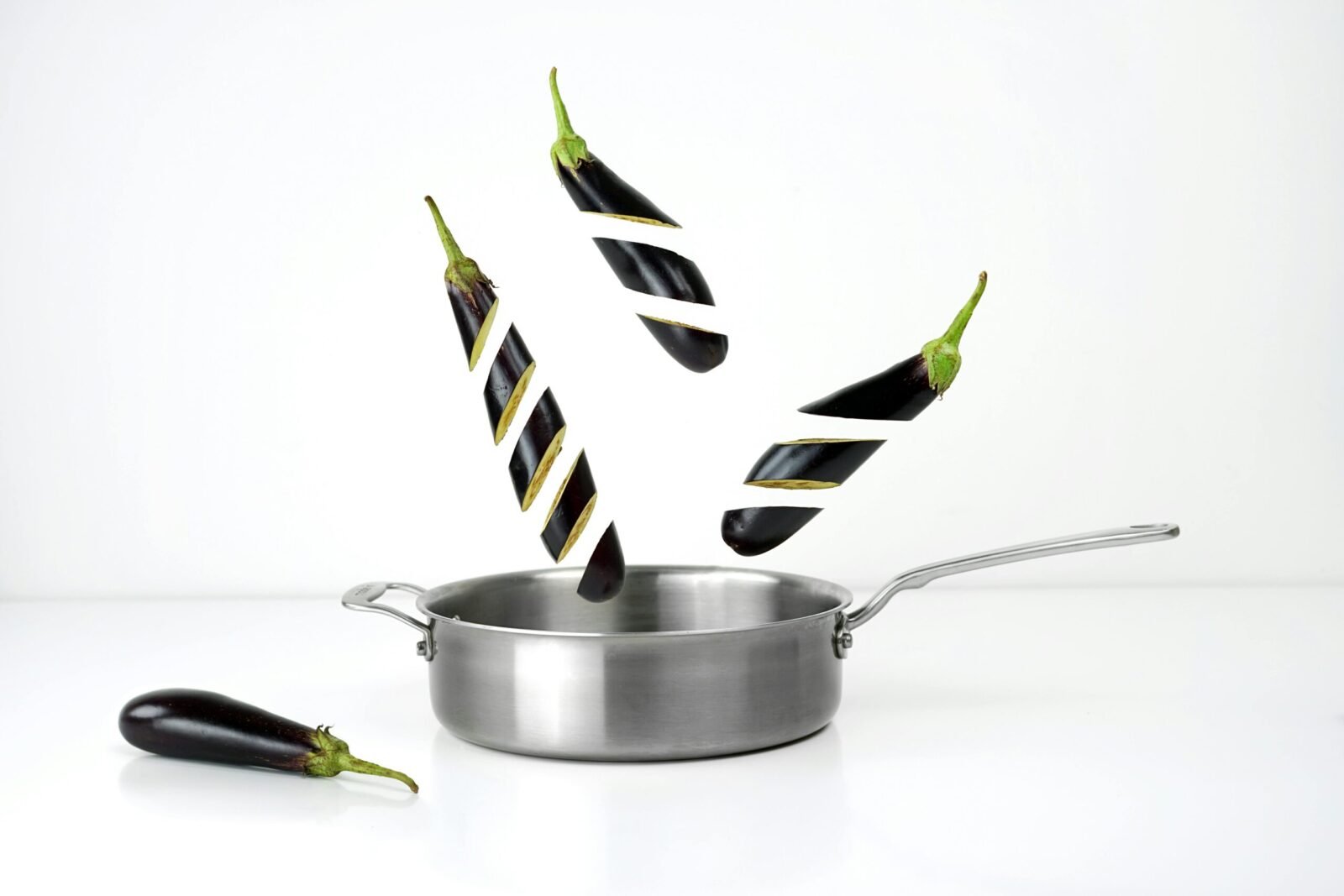
The cookware you use directly impacts not only the flavor and quality of your meals but also your family’s health and safety. Growing awareness about potentially harmful chemicals in traditional non-stick coatings has driven many home cooks to seek safer alternatives. This comprehensive guide explores the best non-toxic cookware sets available today, examining materials, manufacturing processes, and performance characteristics to help you make informed decisions that prioritize both cooking excellence and health consciousness.
Understanding Non-Toxic Cookware
Non-toxic cookware refers to cooking vessels manufactured without harmful chemicals that can leach into food during cooking. Traditional non-stick cookware often contains PFAS (per- and polyfluoroalkyl substances), commonly known as “forever chemicals” due to their persistence in the environment and human body. These synthetic compounds have raised health concerns, prompting many consumers to seek alternatives free from these potentially dangerous substances.
The concept extends beyond just avoiding PFAS to encompass cookware free from lead, cadmium, and other heavy metals that can contaminate food. It also considers the safety of materials at high temperatures, as some coatings break down when overheated, releasing toxic fumes. Truly non-toxic cookware maintains its integrity across normal cooking temperatures without degrading or releasing harmful substances.
Material selection forms the foundation of non-toxic cookware, with options including stainless steel, cast iron, carbon steel, ceramic, and glass. Each material offers distinct advantages and limitations regarding heat distribution, maintenance requirements, and cooking performance. Understanding these characteristics helps you select cookware that meets both safety standards and culinary needs.
Manufacturing processes matter as much as base materials, since even safe materials can become problematic if combined with toxic binders, coatings, or treatments. Reputable non-toxic cookware manufacturers provide transparency about their production methods, third-party testing results, and material sourcing. This openness allows consumers to verify safety claims rather than relying solely on marketing assertions.
Why Choose Non-Toxic Cookware?
Health protection represents the primary motivation for choosing non-toxic cookware, as eliminating exposure to harmful chemicals reduces potential health risks. Research has linked PFAS exposure to various health concerns including thyroid problems, immune system effects, and developmental issues in children. While regulatory agencies continue studying these compounds, many families prefer the precautionary approach of avoiding them entirely.
Food quality and flavor improve with proper cookware, as many cooks report that food tastes better when prepared in cast iron, stainless steel, or other natural materials compared to chemically-coated alternatives. These materials don’t impart off-flavors and allow for proper browning and caramelization that develop rich, complex flavors. The absence of chemical coatings means you’re tasting only your food and seasonings.
Environmental considerations extend the impact beyond personal health to broader ecological concerns. PFAS contamination has become a significant environmental issue, with these persistent chemicals accumulating in water supplies, soil, and wildlife. Choosing cookware without these substances reduces demand for their production and eventual disposal into the environment.
Durability and longevity characterize quality non-toxic cookware, with materials like cast iron and stainless steel lasting decades or even generations with proper care. This longevity contrasts sharply with non-stick coatings that degrade within a few years, requiring replacement. The initial higher cost of premium non-toxic cookware amortizes over many years of use, ultimately proving more economical than repeatedly replacing cheaper alternatives.
Cooking versatility expands with non-toxic materials that withstand high temperatures safely. Cast iron and stainless steel move seamlessly from stovetop to oven, while many non-stick coatings restrict maximum temperatures. This versatility enables techniques like searing meat on the stovetop then finishing in the oven, or starting vegetables in a pan before broiling them for caramelization.
Top Non-Toxic Cookware Materials
Stainless Steel
Stainless steel stands as one of the most popular non-toxic cookware materials, prized for its durability, non-reactive properties, and low maintenance requirements. High-quality stainless steel cookware features multiple layers, typically combining stainless steel with aluminum or copper cores that improve heat distribution while maintaining stainless steel’s safe cooking surface.
The non-reactive nature of stainless steel means it won’t interact with acidic foods like tomatoes or citrus, preserving true flavors without metallic tastes. The material withstands extremely high temperatures, enabling high-heat searing and browning. Stainless steel resists scratching, denting, and warping, maintaining its appearance and performance through years of heavy use.
Heat distribution requires attention when selecting stainless steel cookware, as pure stainless steel conducts heat poorly. Quality cookware addresses this through multi-ply construction, sandwiching aluminum or copper between stainless steel layers. This construction provides even heating that prevents hot spots while maintaining stainless steel’s safe, non-reactive cooking surface.
Maintenance remains straightforward, with stainless steel tolerating metal utensils, dishwasher cleaning, and abrasive scrubbing when necessary. Food can stick when cooking techniques aren’t optimized, but proper preheating and adequate fat prevent most sticking issues. Stubborn stains and discoloration clean easily with baking soda or specialized stainless steel cleaners.
Cast Iron
Cast iron represents one of the oldest cookware materials, offering exceptional heat retention, natural non-stick properties when properly seasoned, and literal lifetime durability. The material is completely non-toxic, consisting purely of iron with no coatings or additives. Cast iron can even provide dietary iron supplementation, particularly beneficial for individuals with iron deficiency.
Seasoning creates cast iron’s non-stick surface through polymerized oil layers that build up with use. This natural coating improves continuously as you cook, becoming increasingly non-stick over time. Unlike chemical coatings that degrade, cast iron’s seasoning strengthens with proper care, creating heirloom pieces passed through generations.
Heat retention makes cast iron ideal for searing, frying, and baking, as the heavy material maintains steady temperatures even when cold food is added. This characteristic proves particularly valuable for achieving perfect crusts on steaks or maintaining oil temperature for frying. Cast iron also transitions seamlessly from stovetop to oven, making it perfect for dishes requiring both cooking methods.
Weight and maintenance represent the primary considerations with cast iron. The heavy material can be cumbersome, particularly in larger sizes. Cast iron requires specific care including hand washing, immediate drying, and occasional re-seasoning. The material reacts with acidic foods if seasoning is insufficient, potentially imparting metallic flavors and damaging the seasoning layer.
Carbon Steel
Carbon steel provides similar benefits to cast iron with significantly less weight, making it easier to handle while maintaining excellent heat responsiveness and natural non-stick properties when seasoned. Professional chefs frequently favor carbon steel for its quick heating, precise temperature control, and versatility across cooking techniques.
The material consists primarily of iron with small amounts of carbon, creating cookware that’s completely non-toxic and free from chemical coatings. Like cast iron, carbon steel develops seasoning through use, building natural non-stick properties over time. The thinner material heats and cools more quickly than cast iron, providing greater temperature control for delicate cooking.
Versatility defines carbon steel’s appeal, performing excellently for everything from high-heat searing to gentle egg cooking once properly seasoned. The material works on all heat sources including induction, and moves easily from stovetop to oven. Many professional kitchens rely heavily on carbon steel for its combination of performance, durability, and affordability.
Seasoning and maintenance mirror cast iron requirements, with carbon steel needing hand washing, immediate drying, and periodic seasoning maintenance. The material reacts with acidic foods similarly to cast iron, making it less ideal for tomato-based sauces or other highly acidic preparations until seasoning is well-established.
Ceramic Cookware
Ceramic cookware utilizes mineral-based coatings applied to metal bases, creating naturally non-stick surfaces without PFAS or other synthetic chemicals. These coatings consist of silicon dioxide and other minerals derived from sand, providing a truly non-toxic alternative to traditional non-stick coatings.
Heat distribution varies depending on the base material beneath the ceramic coating, with aluminum cores providing good conductivity at lower cost while more expensive options use harder anodized aluminum or other materials. The ceramic coating itself withstands high temperatures safely, typically up to 850°F, enabling oven use and high-heat cooking.
Non-stick performance when new rivals traditional coatings, with food releasing easily using minimal oil or butter. The smooth surface cleans effortlessly, often requiring only a wipe with a soft cloth. Ceramic cookware comes in attractive colors and finishes, adding aesthetic appeal to functional performance.
Durability represents the primary limitation, as ceramic coatings can chip or scratch more easily than metal surfaces and may lose non-stick properties over time, typically lasting two to five years with regular use. Metal utensils can damage the coating, requiring silicone, wood, or plastic tools. Despite this shorter lifespan compared to stainless steel or cast iron, ceramic cookware offers an excellent non-toxic non-stick option at moderate prices.
Enameled Cast Iron
Enameled cast iron combines cast iron’s heat retention and even heating with a porcelain enamel coating that eliminates seasoning requirements while providing a non-reactive surface. The enamel coating consists of glass particles fused to cast iron at extremely high temperatures, creating a durable, non-toxic surface.
The enamel interior prevents reactions with acidic foods, making enameled cast iron perfect for tomato sauces, wine reductions, and citrus-based dishes that can damage regular cast iron’s seasoning. The non-porous surface resists staining and odor absorption while cleaning easily with soap and water.
Aesthetic appeal distinguishes enameled cast iron, with manufacturers offering vibrant exterior colors that make pieces attractive enough for table service. The combination of functionality and beauty makes enameled cast iron popular for dishes prepared and served in the same vessel.
Price and care requirements exceed regular cast iron, with quality enameled pieces costing significantly more and requiring gentler handling to prevent chips or cracks in the enamel coating. The enamel surface can be damaged by thermal shock, extreme temperature changes, or impact from dropping. Despite these considerations, enameled cast iron offers excellent non-toxic performance for specific cooking applications.
Best Non-Toxic Cookware Sets
All-Clad D3 Stainless Steel Set
All-Clad represents the gold standard in stainless steel cookware, with their D3 line offering three-ply construction that bonds stainless steel to an aluminum core for superior heat distribution. The set typically includes essential pieces like fry pans, sauce pans, a stock pot, and a sauté pan, providing comprehensive coverage for most cooking needs.
The bonded construction extends through the entire pan from base to rim, ensuring even heating across all surfaces including the sides. This complete coverage prevents hot spots and enables consistent cooking results. The polished stainless steel interior resists sticking when proper cooking techniques are used, while the exterior maintains its appearance through years of use.
Professional-quality construction makes All-Clad a favorite in both home and commercial kitchens. The cookware works on all cooktops including induction, transitions safely to ovens up to 600°F, and tolerates metal utensils and dishwasher cleaning. Lifetime warranties reflect the manufacturer’s confidence in their product’s durability.
Pricing positions All-Clad as a premium investment, with complete sets ranging from five hundred to over one thousand dollars depending on the number and size of pieces. The substantial cost reflects exceptional quality, performance, and longevity. All-Clad suits serious home cooks willing to invest in cookware that will last decades while providing consistently excellent cooking results.
Cuisinart MultiClad Pro Stainless Steel Set
Cuisinart MultiClad Pro delivers triple-ply stainless steel construction at a more accessible price point than luxury brands while maintaining solid performance and quality. The set provides excellent value for cooks seeking professional-grade materials without premium pricing, making it popular among those building their first quality cookware collection.
The aluminum core ensures even heat distribution that prevents hot spots during cooking. Stainless steel cooking surfaces remain non-reactive and develop some non-stick properties with proper use and maintenance. Cool-grip handles stay comfortable during cooking, while tight-fitting lids seal in moisture and nutrients.
Versatility spans all cooktops including induction, with oven-safe construction up to 550°F enabling stovetop-to-oven techniques. The cookware tolerates dishwasher cleaning and metal utensils, though hand washing prolongs its appearance. Lifetime warranty coverage provides confidence in the product’s durability.
Set pricing typically ranges from two hundred to four hundred dollars, offering exceptional value for tri-ply stainless steel construction. Cuisinart MultiClad Pro suits budget-conscious cooks who want quality stainless steel cookware without paying premium brand prices. The performance satisfies most home cooking needs while remaining accessible to a broader audience.
Lodge Cast Iron Set
Lodge manufactures affordable, American-made cast iron cookware that delivers excellent performance and lifetime durability. Their sets typically include skillets of various sizes, a Dutch oven, and often a griddle, providing versatile cooking options. Pre-seasoned finishes mean the cookware is ready to use immediately, though the seasoning improves with use.
Traditional manufacturing methods produce heavy, durable cookware that heats evenly and retains temperature exceptionally well. The completely non-toxic material contains no coatings or chemicals, just pure iron that can even supplement dietary iron intake. Lodge cookware transitions seamlessly from stovetop to oven to campfire, offering unmatched versatility.
Value proposition makes Lodge accessible to nearly any budget, with individual pieces often costing under thirty dollars and complete sets available for one hundred to two hundred dollars. This affordability enables cooks to build comprehensive cast iron collections without significant investment. The cookware lasts indefinitely with proper care, making it truly an heirloom purchase.
Maintenance requirements and weight represent the primary considerations. Cast iron needs hand washing, immediate drying, and occasional re-seasoning. The heavy material can be cumbersome, particularly for those with limited strength or mobility. Despite these factors, Lodge cast iron provides exceptional non-toxic cooking performance at prices everyone can afford.
Le Creuset Enameled Cast Iron Set
Le Creuset represents the pinnacle of enameled cast iron, offering exceptional quality, beautiful design, and comprehensive lifetime warranties. Sets typically include Dutch ovens, braisers, and sometimes skillets, focusing on pieces where enameled cast iron excels. The colorful enamel exteriors make these pieces as attractive as they are functional.
Superior enamel application creates extremely durable coatings that resist chipping, staining, and wear through decades of use. The interior enamel requires no seasoning and won’t react with acidic foods, making Le Creuset perfect for long-simmered tomato sauces, wine-based braises, and citrus preparations. Heat retention ensures even cooking and keeps food warm for extended serving.
Craftsmanship and quality control exceed competitors, with each piece individually inspected before sale. The cookware works on all heat sources, transitions to ovens up to 500°F, and cleans easily by hand or in dishwashers. Ergonomic handles remain comfortable even when cookware is full, and tight-fitting lids seal in moisture beautifully.
Premium pricing reflects Le Creuset’s position as a luxury brand, with individual pieces costing two hundred to five hundred dollars and sets reaching over one thousand dollars. The investment suits serious cooks who value both performance and aesthetics, particularly those planning to pass cookware to future generations. Le Creuset offers a cooking experience that’s both functional and beautiful.
GreenPan Ceramic Non-Stick Set
GreenPan pioneered ceramic non-stick cookware, offering PFAS-free alternatives to traditional non-stick coatings. Their sets typically include fry pans, sauce pans, and stock pots with ceramic Thermolon coatings that provide excellent non-stick performance without toxic chemicals. The cookware combines convenience with safety consciousness.
The ceramic coating withstands higher temperatures than traditional non-stick, up to 850°F, enabling searing and high-heat cooking that would damage PFOA-based coatings. Hard anodized aluminum bases distribute heat evenly while remaining lightweight and responsive to temperature changes. Ergonomic handles stay cool during stovetop cooking, improving safety and comfort.
Environmental commitment extends beyond PFAS-free coatings to manufacturing processes that produce significantly lower CO2 emissions than traditional non-stick cookware production. The company provides transparency about materials and processes, building trust with health-conscious and environmentally aware consumers.
Pricing remains accessible, with sets ranging from one hundred fifty to four hundred dollars depending on the number of pieces and specific line. GreenPan suits cooks who want non-stick convenience without chemical concerns, particularly those frequently cooking eggs, fish, or other delicate foods that benefit from non-stick surfaces. The ceramic coating’s finite lifespan means viewing these as medium-term purchases rather than lifetime investments.
Made In Cookware Sets
Made In offers professional-quality cookware directly to consumers, eliminating retail markups to provide premium performance at more accessible prices. Their sets can be customized, allowing you to select specific pieces that match your cooking style rather than accepting predetermined combinations. The company offers both stainless steel and carbon steel options.
The stainless steel cookware features five-ply construction in key pieces, providing exceptional heat distribution superior to many competitors’ three-ply designs. Surgical-grade stainless steel interiors resist staining and maintain their appearance through heavy use. The cookware is used in Michelin-starred restaurants, validating its professional credentials.
Carbon steel offerings provide lightweight alternatives to cast iron with similar heat responsiveness and seasoning-based non-stick properties. These pieces come pre-seasoned and ready to use, with detailed care instructions helping new users maintain their cookware properly. The carbon steel develops beautiful patina over time, creating truly personalized cooking tools.
Pricing positions Made In between budget and luxury brands, with individual pieces ranging from fifty to three hundred dollars and custom sets totaling three hundred to eight hundred dollars depending on selections. The direct-to-consumer model delivers professional quality at prices below traditional retail channels. Made In suits discerning cooks who want premium performance without paying luxury brand premiums.
Caraway Cookware Set
Caraway targets the modern consumer seeking comprehensive non-toxic cookware with thoughtful design and convenient storage solutions. Their signature set includes ceramic non-stick fry pans, sauce pans, a sauté pan, and a Dutch oven, with all pieces storing neatly using included magnetic pan racks and canvas lid holders.
The ceramic coating is free from PFAS, PTFE, lead, and cadmium, addressing common health concerns about traditional non-stick cookware. Aluminum cores provide excellent heat distribution while keeping the cookware lightweight and easy to handle. The minimalist design aesthetic makes Caraway pieces attractive enough to leave on display.
Organization solutions address the common frustration of storing cookware, with the included storage system keeping everything accessible and organized. This attention to the complete user experience beyond just cooking performance distinguishes Caraway from competitors focused solely on cookware functionality.
Complete sets typically cost around five hundred dollars, positioning Caraway in the mid-premium range. The investment includes not just cookware but also the storage system and thoughtful design elements. Caraway suits urban dwellers with limited kitchen space who value both performance and aesthetics, particularly those seeking comprehensive starter sets rather than building collections piece by piece.
What to Look for When Buying Non-Toxic Cookware
Material composition and certifications provide the foundation for evaluating non-toxic claims. Look for cookware explicitly stating it’s free from PFAS, PFOA, lead, cadmium, and other concerning substances. Third-party certifications from organizations testing for heavy metals and toxic substances add credibility beyond manufacturer claims. Be wary of vague marketing terms like “eco-friendly” without specific information about materials and testing.
Construction quality determines both safety and performance, with proper manufacturing ensuring materials bond securely and withstand cooking stresses. Multi-ply stainless steel should have layers bonded completely with no delamination. Ceramic coatings should be applied evenly without thin spots or bubbles. Enamel on cast iron should be uniform and free from pinholes or irregularities.
Heat distribution characteristics affect cooking results dramatically, with even heating preventing hot spots that burn food. Quality cookware incorporates aluminum or copper layers within stainless steel or uses properly designed bases that spread heat uniformly. Test reviews and user feedback provide insights into real-world heating performance beyond manufacturer specifications.
Handle design and comfort matter more than many buyers realize, as uncomfortable handles make cooking frustrating and can compromise safety. Handles should remain cool during stovetop cooking, provide secure grip even when wet, and attach securely to the pan body. Oven-safe handles extend versatility but become hot during oven use, requiring protective mitts.
Compatibility with your cooktop ensures cookware will work with your stove, with induction cooktops requiring magnetic materials in the cookware base. Most quality stainless steel and cast iron work on induction, while some aluminum and copper cookware requires special bases. Verify compatibility before purchasing to avoid disappointment.
Weight and maneuverability affect daily use experience, particularly for cooks with limited strength. While heavy cast iron retains heat beautifully, it can be difficult to handle when full. Consider whether you’ll frequently need to lift, pour, or maneuver each piece when selecting sizes and materials.
Maintenance requirements determine whether you’ll actually care for cookware properly or let it deteriorate through neglect. Be honest about your willingness to hand wash, season, or perform other maintenance tasks. Low-maintenance options like stainless steel or ceramic may serve you better than cast iron if you prefer dishwasher cleaning and minimal upkeep.
Caring for Non-Toxic Cookware
Stainless Steel Care
Preheating stainless steel properly prevents most sticking issues, as the metal expands when heated, sealing microscopic pores that can trap food. Heat the pan over medium heat for two to three minutes before adding oil or food. Test readiness by adding a drop of water—if it forms a ball that rolls around, the pan is ready.
Oil or butter provides additional stick resistance, with adequate fat forming a barrier between food and metal. Add oil after preheating, then wait until it shimmers before adding food. Using insufficient fat or adding food to cold pans causes most sticking problems cooks blame on stainless steel.
Cleaning typically requires only hot soapy water and a soft sponge for daily use. For stubborn residue, make a paste of baking soda and water, applying it to stains and gently scrubbing. For extremely stuck-on food, add water to the pan, bring it to a boil, then use a wooden spoon to loosen residue. Bar Keeper’s Friend removes discoloration and restores shine beautifully.
Avoiding common mistakes preserves stainless steel’s appearance and performance. Don’t overheat empty pans, which can cause permanent discoloration. Avoid thermal shock by letting pans cool before washing or adding cold liquid. Salt added to cold water can pit stainless steel—add salt after water boils or dissolve it in hot water first.
Cast Iron and Carbon Steel Maintenance
Seasoning builds and maintains the natural non-stick coating on cast iron and carbon steel. After cleaning, apply a thin layer of high-smoke-point oil like flaxseed, grapeseed, or canola to all surfaces. Heat the cookware upside down in a 450-500°F oven for one hour, then let it cool completely. Repeat this process several times initially, then as needed when food begins sticking or seasoning appears patchy.
Daily cleaning should happen while cookware is still warm using hot water and a stiff brush or scrubber. Contrary to popular belief, you can use small amounts of soap if needed—modern dish soap won’t strip seasoning like harsh lye-based soaps of the past. Dry immediately and thoroughly after washing, placing the pan on a warm burner for a minute to ensure complete drying.
Storage considerations prevent rust and damage. Store cast iron completely dry in a location with good air circulation. Place paper towels between stacked pieces to protect seasoning. For long-term storage, apply a light oil coating. If rust develops, scrub it off with steel wool, then re-season the cookware.
Using cast iron effectively means avoiding prolonged contact with acidic foods until seasoning is well-established. Don’t store acidic leftovers in cast iron. Use metal utensils freely—they won’t damage properly seasoned cast iron and actually help maintain seasoning through use. Avoid thermal shock by warming cast iron gradually and never plunging hot cookware into cold water.
Ceramic Cookware Care
Gentle handling extends ceramic coating life significantly. Use only silicone, wood, or nylon utensils to prevent scratching the ceramic surface. Avoid metal utensils, whisks, and abrasive scrubbers that can damage the coating. Hand washing with soft sponges preserves the coating better than dishwashers, though many ceramic cookware brands claim dishwasher safety.
Temperature management prevents thermal shock that can crack ceramic coatings. Let pans cool before washing or adding cold ingredients. Avoid heating empty ceramic pans over high heat for extended periods. While ceramic coatings tolerate high temperatures, gradual heating and cooling extends their lifespan.
Oil use remains important even with non-stick surfaces, as a small amount of butter or oil prevents drying out the ceramic coating. Avoid cooking sprays, which can build up a residue that actually reduces non-stick performance. Use butter, oils, or cooking fats instead.
Restoring performance becomes necessary as ceramic coatings age. Clean any buildup using a paste of baking soda and water. Some manufacturers recommend occasionally coating the surface with vegetable oil, letting it sit for several minutes, then wiping clean to restore slickness. When ceramic coating significantly degrades, replacement becomes necessary.
Common Myths About Non-Toxic Cookware
The myth that non-stick performance requires chemical coatings persists despite evidence that properly seasoned cast iron and carbon steel provide excellent non-stick properties naturally. While these materials require more initial effort than chemical coatings, the resulting seasoning is durable, improves with use, and adds no chemicals to food. Many experienced cooks prefer cast iron’s performance to chemical non-stick once they master basic seasoning techniques.
Stainless steel’s reputation for impossible sticking deters many cooks, but most sticking results from improper technique rather than the material itself. Adequate preheating, sufficient fat, and proper heat levels prevent most sticking. Many cooks successfully cook eggs, fish, and other delicate foods in stainless steel once they learn correct techniques. The stuck fond that develops when searing meat actually creates the base for delicious pan sauces.
The belief that all non-stick cookware contains dangerous chemicals overlooks significant differences between traditional PFAS-based coatings and modern ceramic alternatives. While traditional non-stick coatings have raised valid health concerns, ceramic coatings derived from minerals offer non-stick convenience without PFAS, PFOA, or related compounds. Understanding these distinctions helps consumers make informed choices rather than avoiding all non-stick cookware categorically.
Cast iron toxicity fears occasionally surface, with concerns about iron leaching into food. While cast iron does transfer small amounts of iron to food, particularly acidic foods, this typically provides beneficial dietary iron supplementation rather than harmful contamination. For most people, including those with iron deficiency, this represents a benefit. Only individuals with hemochromatosis or similar iron overload conditions need to limit cast iron use.
Price equals quality assumptions don’t always hold true in cookware, as some mid-priced brands deliver performance rivaling luxury options. While premium brands often justify their costs through superior construction, better materials, or comprehensive warranties, many excellent non-toxic options exist at moderate prices. Researching construction methods, materials, and reviews provides better value guidance than price alone.
Budget-Friendly Non-Toxic Options
Lodge cast iron remains the most affordable entry into quality non-toxic cookware, with skillets starting under twenty dollars and complete sets available for around one hundred dollars. The American-made cookware delivers lifetime performance despite budget pricing. Starting with a basic 10-inch and 12-inch skillet provides versatile cooking capabilities for minimal investment.
Tramontina stainless steel offers tri-ply construction at remarkably low prices, often sold at major retailers for a fraction of premium brand costs. While finishing and small details may not match luxury brands, the fundamental construction and cooking performance satisfy most home cooking needs. Sets typically cost between one hundred fifty and three hundred dollars, providing excellent value.
Victoria cast iron from Colombia provides budget alternative to Lodge with similar performance characteristics. The cast iron comes pre-seasoned and ready to use, offering comparable results to higher-priced options. Distribution is more limited than Lodge, but pricing often undercuts even that affordable brand.
Store brands from retailers like Costco, Sam’s Club, or Target often source quality cookware from reputable manufacturers, rebranding it under house names at lower prices. These lines frequently offer stainless steel or ceramic options with solid construction at accessible prices. Reading reviews and examining construction helps identify quality store brands.
Building collections gradually allows spreading costs over time while learning which pieces you actually use. Start with one or two essential pieces—perhaps a skillet and sauce pan—in quality non-toxic materials. Add additional pieces as budget allows, prioritizing items you’ll use frequently. This approach prevents overspending on complete sets containing pieces that rarely leave the cabinet.
Health Considerations and Safety Tips
Cooking temperature limits vary by material and coating, with exceeding safe temperatures potentially releasing harmful substances or damaging cookware. Ceramic coatings typically tolerate up to 850°F safely, while some traditional non-stick coatings release toxic fumes above 500°F. Cast iron and stainless steel handle virtually any temperature home stoves produce. Always verify temperature limits for your specific cookware.
Utensil selection protects coatings while preventing metal contamination from damaged surfaces. Use wooden, silicone, or nylon utensils with ceramic or any coated cookware. Stainless steel, cast iron, and carbon steel tolerate metal utensils without issue. Avoid using damaged cookware with chips, cracks, or coating peeling, as these defects can introduce contaminants into food.
Ventilation during cooking removes any fumes or particles released during high-heat cooking, even from non-toxic cookware. Use range hoods or open windows when searing at high temperatures. This precaution protects air quality regardless of cookware material, addressing smoke from oils and food as well as any potential emissions from cookware.
Replacement timing matters for coated cookware that degrades over time. Replace ceramic or any coated cookware when the coating shows significant wear, scratches, or reduced non-stick performance. Continuing to use degraded coatings may expose you to base materials or particles from the damaged coating. Uncoated materials like stainless steel and cast iron don’t require replacement due to coating degradation.
Special populations including pregnant women, infants, and individuals with specific health conditions may want to exercise extra caution with cookware selection. These groups might prefer stainless steel or cast iron to eliminate any potential exposure to chemicals, even from supposedly safe ceramic coatings. Consulting healthcare providers about dietary metal intake helps individuals with conditions like hemochromatosis or Wilson’s disease make appropriate choices.
Environmental Impact of Cookware Choices
Manufacturing processes vary dramatically in environmental impact between cookware materials and brands. Cast iron production from recycled materials reduces environmental footprint, while virgin aluminum mining and processing consumes significant energy. Some manufacturers prioritize sustainable practices including renewable energy use, responsible material sourcing, and reduced emissions. Researching brand commitments to sustainability helps environmentally conscious consumers align purchases with values.
Cookware longevity represents perhaps the most significant environmental consideration, as pieces lasting decades reduce waste dramatically compared to items requiring frequent replacement. Cast iron, stainless steel, and quality carbon steel potentially last generations, while ceramic coatings typically require replacement every few years. The most sustainable choice is often the longest-lasting option, even if initial environmental impact seems higher.
End-of-life disposal creates waste management challenges, particularly for composite materials that can’t be easily recycled. Stainless steel and cast iron can be recycled through metal recycling programs. Ceramic-coated aluminum presents recycling challenges due to mixed materials. Some manufacturers offer take-back programs for worn cookware, ensuring proper recycling or disposal.
Packaging waste varies between brands, with some using minimal recyclable packaging while others employ excessive plastic and foam. Direct-to-consumer brands often use more sustainable packaging than traditional retail channels. Consider packaging waste when comparing otherwise similar products.
Making the Transition to Non-Toxic Cookware
Gradual replacement allows spreading costs and learning curves over time while immediately eliminating the most concerning items. Prioritize replacing non-stick cookware showing wear, damage, or scratching, as degraded coatings may release particles into food. Start by replacing your most-used pieces—typically fry pans and sauce pans—with quality non-toxic alternatives.
Learning curves vary by material, with some requiring technique adjustments from what you’re accustomed to. Stainless steel demands proper preheating and adequate fat to prevent sticking. Cast iron needs seasoning maintenance and works differently than coated cookware. Give yourself grace as you adapt, recognizing that initial frustrations diminish as you develop familiarity with new materials.
Recipe adaptation may be necessary as different materials conduct and retain heat differently. Cast iron’s heat retention means you often need lower temperatures than recipes suggest. Stainless steel heats quickly but doesn’t retain heat like cast iron. Monitor food closely initially until you understand how your new cookware performs compared to your old pans.
Family buy-in helps ensure household members treat new cookware appropriately, particularly if maintenance requirements differ from previous cookware. Explain why you’re making the change, how to use and care for new pieces, and what to avoid. Clear communication prevents well-meaning family members from damaging new cookware through improper use.
Conclusion
Choosing non-toxic cookware represents an investment in both culinary excellence and long-term health, with numerous quality options available across all price points. The best choice depends on your cooking style, maintenance preferences, and budget, with no single material or brand being universally superior for all users. Understanding the characteristics, benefits, and limitations of different materials empowers you to select cookware that will serve you well for years or even decades.
Success with non-toxic cookware often requires learning new techniques, particularly if you’re accustomed to traditional non-stick coatings. The initial adjustment period proves worthwhile as you discover that materials like stainless steel, cast iron, and carbon steel offer superior cooking performance once you master their use. The absence of chemical coatings means you’re cooking purely with the materials nature provides, eliminating concerns about degrading coatings or chemical exposure.
The investment in quality non-toxic cookware pays returns through improved food quality, reduced health risks, and decades of reliable performance. While premium options exist at luxury prices, excellent non-toxic cookware is accessible at modest costs, with brands like Lodge, Tramontina, and Cuisinart delivering solid performance without premium pricing. The key is prioritizing quality construction in safe materials rather than assuming the most expensive option is always best.
Starting your transition to non-toxic cookware today protects your family’s health while elevating your cooking. Whether you invest in a complete set or gradually build your collection piece by piece, each non-toxic addition to your kitchen represents a step toward safer, healthier cooking. The cookware you choose matters—not just for the meals you create today, but for the health impacts that accumulate over a lifetime of cooking. Make choices that prioritize both performance and safety, selecting materials that will serve you excellently while keeping harmful chemicals out of your kitchen and your body.